Denver’s altitude isn’t just a bragging right — it’s a genuine engineering challenge for exterior paint. At 5,280 feet, ultraviolet radiation is approximately 25% more intense than at sea level, which means the UV-blocking pigments in exterior paint degrade faster. Add Denver’s 300+ days of sunshine, frequent hail, and freeze-thaw cycles that can swing 60°F in a single day, and you have a climate that tests paint formulations harder than almost anywhere in the continental US.
The best exterior paints for Denver share three characteristics: high-quality 100% acrylic resin for flexibility through temperature swings, UV-absorbing titanium dioxide concentrations above standard, and mildewcide additives to combat the brief but intense spring moisture season. Sherwin-Williams Emerald Exterior ($85–$95/gallon) consistently tops our field performance list. Its proprietary LifeMaster 2000 technology delivers a harder, more UV-resistant film than Duration or SuperPaint, and we regularly see Emerald-painted Denver homes hold full sheen for 7–10 years on north-facing surfaces. Benjamin Moore Aura Exterior ($75–$85/gallon) is our second choice, with excellent color retention and a self-priming formulation that performs well on previously-painted wood and fiber cement.
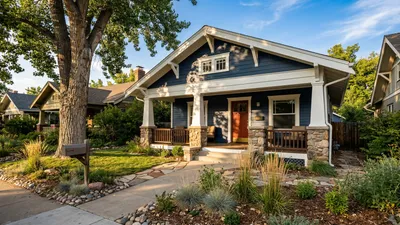
For stucco and masonry — which covers a significant portion of Denver’s 1960s–1990s housing stock — elastomeric coatings are the correct choice rather than standard acrylics. Elastomeric paint bridges hairline cracks up to 1/32 inch and flexes with Denver’s dramatic thermal expansion cycles rather than cracking through them. Sherwin-Williams Loxon XP and Conflex are our preferred elastomerics; both provide Class A fire resistance and 10+ year warranties when applied at the correct wet-film thickness (typically 10–12 mils per coat). Standard acrylic on stucco in Denver will begin cracking within 4–5 years as the substrate expands and contracts.
For trim and doors specifically, the chemistry changes. Trim takes the brunt of door-slam vibration, temperature cycling at metal hardware, and concentrated UV on south-facing exposures. We use Sherwin-Williams Duration or Benjamin Moore Advance Waterborne Alkyd for trim — both cure to a hard, oil-like film that resists chips and dings far better than standard acrylic. For doors, Advance in semi-gloss or high-gloss provides a luxurious finish that holds up to daily contact and Denver’s spring UV without yellowing the way oil-based alternatives do.